Is De Minimis Coming Back? July 24 Update
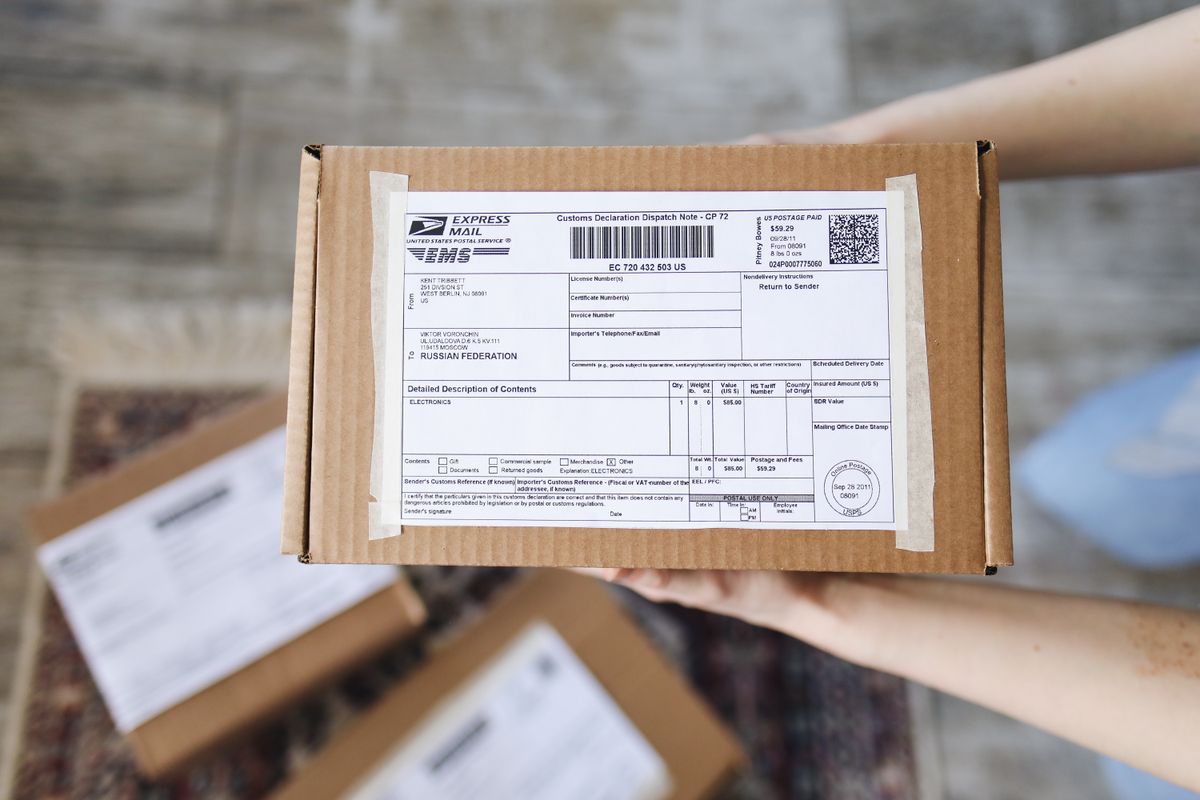
The short answer is no. De minimis is not coming back.
The longer answer: as of July 24, 2026, the elimination is no longer executive order policy that a future administration could easily reverse. CBP has codified the suspension into permanent federal regulation. The legal architecture for restoration is significantly more complex than it was a year ago.
This article explains what happened on June 24 and July 24, what the October 22 compliance deadline means for your business, and what to do now.
What Already Happened – The Timeline Most Sellers Missed
Most sellers are focused on July 24 as the key date. The more important date was June 24.
August 29, 2025: The $800 de minimis exemption was suspended for all countries worldwide via executive order. Every commercial shipment entering the US regardless of value, country of origin, or shipping method became subject to customs entry, HTS classification, and duty payment. This was the original elimination. It applied immediately to air cargo, courier shipments, and express consignment.
June 24, 2026: CBP published two interim final rules that moved the de minimis suspension from executive order policy into permanent federal regulation at 19 CFR 10.151. This is the step that matters for the “is it coming back” question. Before June 24 the suspension existed because of an executive order that a future administration could theoretically reverse. After June 24 the suspension is codified in CBP’s own regulatory framework backed by independent legal authority. Reversing it now requires a formal rulemaking process, not just a new executive order.
The One Big Beautiful Bill Act, signed July 4, 2025, separately enacted a statutory repeal of de minimis scheduled for 2027. This means Congress has also acted legislatively to end de minimis permanently. The executive order, the CBP regulation, and the statute are three independent legal mechanisms all pointing in the same direction.
July 24, 2026 (today): The new postal informal entry process takes effect. Before today, postal mail shipments were the last channel where de minimis was still operating in a gray area. CBP’s interim final rule for postal shipments now takes effect, closing the last remaining soft edge of the duty-free import channel.
October 22, 2026: Full compliance deadline for the new postal entry process.
For the complete background on the de minimis elimination and what it means for import costs, see Section 321 De Minimis.
What July 24 Specifically Means – The Postal Rule
Before today, the de minimis suspension was already in effect for air cargo, courier shipments, and express consignment. Postal mail was the last mode where the rules were still being finalized. That changes today.
The CBP interim final rule for postal shipments that takes effect July 24 establishes a new postal informal entry process. Under this process every postal shipment entering the US regardless of value must now include:
A customs bond before the postal informal entry is accepted.
A 10-digit HTS classification for every product in the shipment.
Country of origin declaration.
Full declared value.
Applicable duty rate.
Total duty owed calculated and paid.
Carrier identification and tracking number.
Arrival details.
This is the same data requirement that applies to commercial freight entries. Postal operators, parcel consolidators, and businesses shipping to US consumers through international mail networks must comply.
The compliance deadline is October 22, 2026. Between today and October 22 there is a transition window. After October 22 full compliance is required with no further grace period.
What this means in plain terms:
If you have been using international postal mail as a way to ship small parcels to US customers at low cost with no duty, that model is now fully closed. The exemption that existed for air and courier shipments ended August 29, 2025. The exemption for postal mail ends today.
Why De Minimis Is Not Coming Back
Sellers keep asking this question because policy uncertainty has been a defining feature of US trade in 2025 and 2026. Tariffs went up, came down temporarily, went back up. It is reasonable to wonder whether de minimis might follow the same pattern.
It will not. Here is why.
Three independent legal mechanisms all point the same direction:
Executive order: The August 2025 executive order suspended de minimis. This could theoretically be reversed by a new executive order. That alone would have been the easiest path to restoration.
Federal regulation: The June 24, 2026 CBP interim final rule codified the suspension into 19 CFR 10.151. Reversing a federal regulation requires a formal notice and comment rulemaking process that takes 12 to 24 months minimum. A new executive order alone cannot override a codified regulation.
Federal statute: The One Big Beautiful Bill Act enacted a statutory repeal of de minimis scheduled to take effect in 2027. Reversing a statute requires an act of Congress. That requires both chambers to pass new legislation and the president to sign it.
To restore de minimis a future administration would need to simultaneously reverse a CBP regulation through a full rulemaking process and pass new federal legislation through Congress. That combination is significantly more difficult than reversing a single executive order.
Nothing in the June 24 rulemaking or July 24 postal rule points toward restoration. CBP’s language confirms the agency views this as a permanent structural change to US customs law, not a temporary policy measure.
What the HTS Code Requirement Means for Your Business
The most operational impact of the July 24 postal rule for e-commerce sellers is the 10-digit HTS code requirement.
Before August 2025, postal shipments valued under $800 entered the US with minimal data. A general product description and declared value was sufficient. No HTS classification was required. No duty was assessed.
Under the new postal informal entry process every shipment must include the full 10-digit HTS code. This means every product you ship to US customers through international postal channels must be classified in the US Harmonized Tariff Schedule before it ships.
For sellers who have never classified their products this is a new requirement with real cost implications. The HTS code determines:
The applicable duty rate. Wrong code means wrong duty assessment.
Whether Section 301 tariffs, reciprocal tariffs, or other additional duties apply.
Whether the product is subject to antidumping or countervailing duty orders.
Whether any free trade agreement duty exemptions apply.
A product classified under the wrong HTS code creates compliance risk. CBP can audit entries for up to five years and assess penalties for misclassification. For low-value products where the margin is thin, unexpected duty payments from a classification error can eliminate the profit on an entire shipment.
Use the HS Duty Estimator to calculate estimated duty on your specific HTS code and shipment value. For the complete USITC lookup walkthrough including how to verify your supplier’s code, see the HS Code Finder Guide.
What to Do Between Now and October 22
The October 22, 2026 compliance deadline gives sellers approximately 90 days to get fully compliant with the new postal entry process. Here is the action list.
Step 1: Classify every product you ship to the US through postal channels.
Pull a list of every SKU you ship internationally via postal mail. For each one, look up the correct 10-digit HTS code using the USITC database at hts.usitc.gov. Do not use the code your overseas supplier provided without independent verification. Supplier codes reflect their country’s export classification, not the US import HTS. Verify each code yourself.
Step 2: Calculate the landed cost at the correct duty rate.
For each product, calculate the total landed cost including the duty now applicable at the correct HTS rate plus the customs broker or postal operator processing fee. If the landed cost exceeds your selling price minus Amazon or platform fees, the product is not viable under the new cost structure.
Use How to Calculate Landed Cost for the complete formula including duty on CIF value, MPF, and broker fees.
Step 3: Evaluate the bulk import alternative.
If you are currently shipping individual parcels from overseas to US customers, the most cost-effective alternative is bulk importing inventory to a US warehouse and clearing customs once on the bulk shipment. You pay duty once on the whole shipment at the time of import. Individual orders then ship domestically from the US warehouse with no further customs entry and no duty per parcel.
This model eliminates the per-parcel compliance burden and the per-parcel duty cost. The duty is paid once at the bulk import stage and spread across all units in the shipment.
Step 4: For postal shipments that continue, ensure your customs broker or postal operator is ready.
The new postal informal entry process requires a customs bond and detailed data transmission. Most established customs brokers and postal operators are already set up for this. Confirm with your logistics partner that they are filing under the new process before October 22.
Step 5: Submit a comment if the new requirements create operational friction.
CBP accepted public comments on the rulemaking through July 24, 2026 (today). If you have not already submitted a comment the window is now closed. However future rulemaking updates may reopen comment periods. Monitor the CBP Federal Register notices if your business is significantly affected.
CBP e-commerce FAQs last modified September 2, 2026. The June 24, 2026 19 CFR 10.151 “permanent regulation” claim was not re-read from a Federal Register PDF in this run. See changelog.
You've read the theory—now see the actual math for your packages. Use our Carrier Savings Engine to identify 'Savings Gaps' in your packaging and discover the cheapest way to ship your products.
Check My Savings →FAQ
Q: Is the de minimis exemption coming back in 2026?
A: No. The $800 de minimis exemption is not coming back. On June 24, 2026, CBP codified the suspension into permanent federal regulation at 19 CFR 10.151. The One Big Beautiful Bill Act also enacted a statutory repeal scheduled for 2027. Three independent legal mechanisms now support the elimination: the executive order, the CBP regulation, and the federal statute. Reversing all three simultaneously would require a full formal rulemaking process and an act of Congress. Nothing in the current regulatory environment points toward restoration.
Q: What does the July 24, 2026 postal rule mean for e-commerce sellers?
A: Effective July 24, 2026, postal mail shipments entering the US are subject to the same customs entry requirements as all other import modes. Every postal shipment now requires a customs bond, a 10-digit HTS classification, declared value, applicable duty rate, and total duty payment before release. Before today, postal mail was the last channel where the de minimis suspension was still being finalized. The full compliance deadline is October 22, 2026. Use the HS Duty Estimator to calculate estimated duty on your specific products and shipment values.
Q: What HTS code requirements apply to postal shipments after July 24?
A: Every product in a postal shipment entering the US now requires a full 10-digit HTS classification. This is the same classification requirement that applies to commercial freight entries. The HTS code determines the applicable duty rate, whether Section 301 or other additional tariffs apply, and whether any free trade agreement exemptions are available. Wrong HTS classification creates compliance risk. CBP can audit entries for up to five years and assess penalties for misclassification. Verify your HTS codes independently at hts.usitc.gov rather than relying on supplier-provided codes. See the HS Code Finder Guide for the complete lookup walkthrough.
Q: What is the October 22, 2026 compliance deadline for the postal de minimis rule?
A: October 22, 2026 is the full compliance deadline for CBP’s new postal informal entry process. Between July 24 and October 22 there is a transition window during which postal operators and sellers are expected to implement the new requirements. After October 22 full compliance is required with no further grace period. The new process requires customs bonds, 10-digit HTS classification, and full duty payment on every postal shipment entering the US regardless of value. For sellers currently using international postal mail to ship to US customers, the practical response is to evaluate bulk importing inventory to a US warehouse and fulfilling domestically to avoid per-parcel customs compliance burden.