How to Reduce DIM Weight – 6 Packaging Tactics That Work
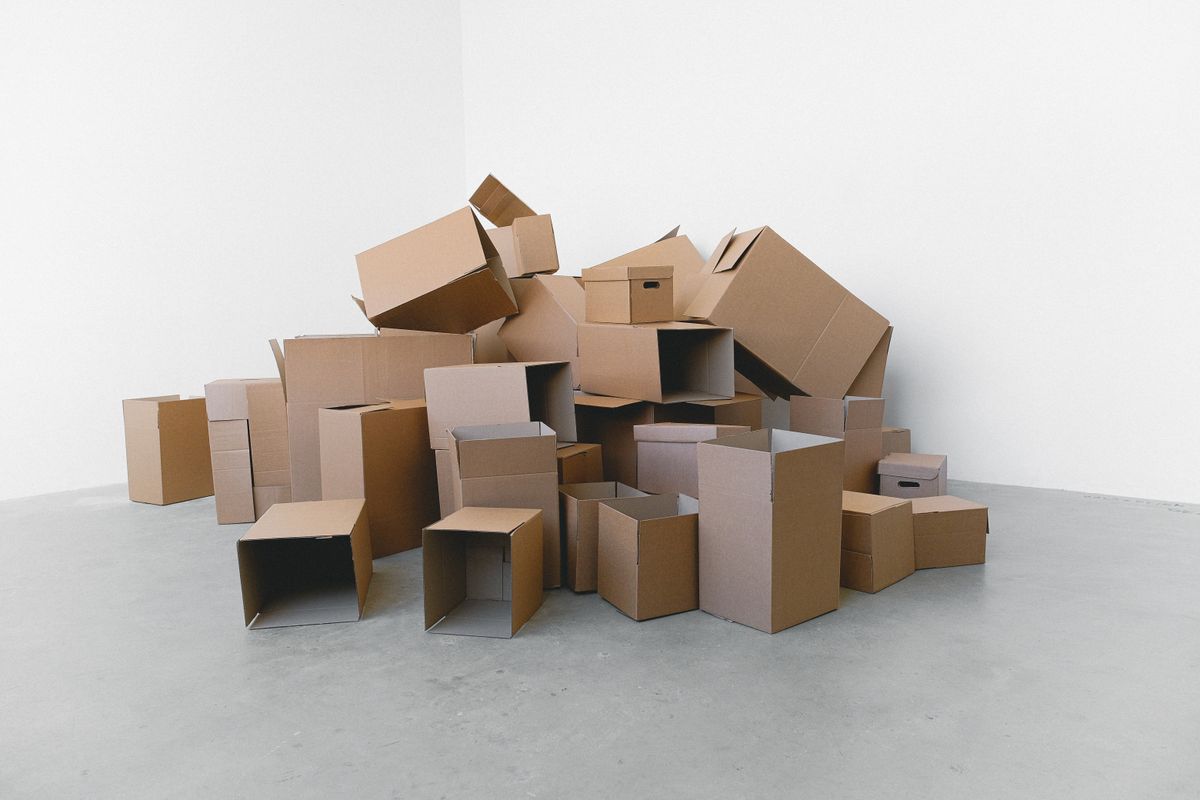
Dimensional weight pricing means carriers charge you for the space your package takes up, not just what it weighs. A 3-pound item in an oversized box can cost as much to ship as a 9-pound item in a properly sized one.
The fix is not switching carriers. It is changing what you put the product in before it leaves your hands. If you need a refresher on how the formula works first, the How to Calculate DIM Weight guide covers divisors, ceiling rounding, and billable weight in full.
These 6 tactics work for part-time sellers shipping 10 orders a week and Shopify brands shipping 500 a month. The math is real. The savings compound.
Why Reducing DIM Weight Matters More in 2026 Than It Did in 2025
Two changes made oversized packaging more expensive in 2026 than it has ever been.
First: UPS and FedEx introduced ceiling rounding in August 2025. Every fractional inch now rounds up to the next whole inch before the DIM formula runs. A box that is 12.1 inches long is calculated as 13 inches. If three dimensions each have a 0.1 inch excess, that is three extra inches added to your package before the formula even starts. The tolerance for oversized packaging is now zero. For a full breakdown of how UPS and FedEx compare on DIM weight by zone, see UPS vs FedEx DIM Weight 2026.
Second: USPS is changing its DIM divisor from 166 to 139 effective July 12, 2026. The favorable USPS calculation that made Ground Advantage cheaper than UPS and FedEx for bulky lightweight packages disappears on that date. After July 12, all three carriers calculate DIM weight the same way.
Both changes mean the same thing: every unnecessary inch in your packaging costs more now than it did a year ago.
Tactic 1 – Right-Size Your Boxes
You've read the theory—now see the actual math for your packages. Use our Carrier Savings Engine to see if you can unlock hidden USPS Cubic rates by shrinking your packaging.
Check My Savings →This is the highest-impact change you can make. Oversized boxes with extra air space can increase chargeable weight by up to 40 percent.
Most sellers default to one or two box sizes for everything. That convenience costs money on every order where the box is larger than the product needs.
The fix: stock 3-5 box sizes that cover your most common product dimensions. Match each SKU to the smallest box it fits in with minimal void space.
Real math: A 14 × 10 × 8 inch box produces 9 lbs DIM weight at UPS. Shrink to 12 × 8 × 6 and DIM weight drops to (576 ÷ 139) = 4.1 lbs, rounds to 5 lbs. At Zone 5 UPS Ground, that is $14.60 versus $10.20. Save $4.40 per order. At 500 orders per month: $2,200 per month.
The Box Size Finder finds the smallest standard box that fits your product dimensions. Use it before ordering packaging stock.
Tactic 2 – Switch Non-Fragile Items to Poly Mailers
Boxes have DIM weight. Poly mailers do not trigger DIM pricing in the same way because their dimensions are minimal when the product is inside.
Switching from a box to a poly mailer for soft non-fragile goods can reduce shipping costs by up to 20 percent per order.
Eligible products: apparel, accessories, fabric items, flat non-fragile goods. Not eligible: anything that needs structural protection, anything with rigid edges that could puncture the mailer.
The savings come from two places. First, the DIM weight drops dramatically or disappears. Second, poly mailers weigh less than corrugated boxes, so actual weight drops too.
A t-shirt in a 12 × 9 × 4 inch box: DIM weight = 432 ÷ 139 = 3.1 lbs. Same t-shirt in a 14 × 10 poly mailer: measured flat, DIM weight is negligible. Actual weight of the t-shirt plus mailer: 0.4 lbs. Billable weight: 1 lb. The difference is $3-5 per order depending on zone.
Tactic 3 – Eliminate Excess Void Fill
Void fill — packing peanuts, air pillows, crumpled paper — adds cubic inches to your package. Every inch of void fill you add is an inch you are paying to ship.
The correct approach is packaging that fits the product, not packaging that fills the gap around an oversized box.
If you are using significant void fill, that is a signal your box is too large. The right fix is a smaller box, not better void fill.
Where void fill is necessary: fragile items that need cushioning against impact. In this case, use the minimum needed for protection and no more. Measure the result and check the DIM weight before committing to that packaging configuration.
One inch of unnecessary void fill on three sides of a box adds roughly 10-15 cubic inches. At a 139 divisor that is 0.07-0.11 lbs. Small per order, but across 500 orders a month at Zone 5 UPS rates, that is $35-55 in extra shipping cost per month from packing material alone.
Tactic 4 – Standardize to Fewer Box Sizes
Having too many box sizes creates two problems: packers grab the wrong box, and you end up with boxes that are close in size but not close enough to the product.
The practical sweet spot for most e-commerce sellers is 3-5 box sizes covering small, medium, and large product tiers. Map your top 20 SKUs to the correct box size once, document it, and enforce it at the packing station.
Standardization reduces the ceiling rounding exposure. If every packer knows exactly which box goes with which product, you eliminate the ad hoc decisions that result in a 12.1 inch box being used when an 11.8 inch box would have worked.
Add a packing guide to your station. One laminated sheet. Product → Box size → Carrier recommendation. That sheet pays for itself in the first week.
Tactic 5 – Consolidate Multi-Item Orders
Two items shipped separately means two DIM weight calculations. The same two items shipped together in one box usually produces a lower combined DIM weight than two separate shipments.
Example: two items that each ship in a 10 × 8 × 4 inch box.
Two separate shipments: 2 × (320 ÷ 139) = 2 × 2.3 lbs = 4.6 lbs total DIM weight billed across two labels.
One consolidated shipment in a 12 × 10 × 5 inch box: 600 ÷ 139 = 4.3 lbs DIM weight on one label.
Lower total DIM weight, one label, one residential surcharge instead of two. The savings on the residential surcharge alone ($6 per delivery) often exceed the DIM weight savings.
Check your order management system for same-destination multi-item orders. Consolidating even 10 percent of them produces measurable savings at volume.
Tactic 6 – Shrink to Qualify for USPS Cubic
This is the tactic most sellers miss entirely. USPS Cubic pricing bypasses DIM weight altogether. Instead of calculating dimensional weight, it assigns a flat rate based on the cubic volume tier your package falls into.
USPS Cubic eligibility: longest side 18 inches or under, 20 lbs or under, 0.5 cubic feet or under.
0.5 cubic feet = 864 cubic inches. A 10 × 10 × 8 inch box is 800 cubic inches and qualifies. The same package via USPS Cubic at Zone 5 costs $11.80 flat versus $13.20 via USPS Ground Advantage and $14.60 via UPS Ground.
If your current packaging puts you just over the cubic eligibility threshold, shrinking to qualify is worth calculating. A 10 × 10 × 9 inch box is 900 cubic inches and does not qualify. Shrink the height by 1 inch to 8 inches and you are in at 800 cubic inches, saving $1.40-$3.00 per order depending on zone.
The DIM Weight Calculator checks USPS Cubic eligibility automatically. Enter your dimensions and it tells you whether Cubic applies, what the rate is, and how much you save compared to UPS and FedEx Ground.
Rates verified June 19, 2026. See changelog.
FAQ
Q: What is the fastest way to reduce DIM weight?
A: Right-size your boxes. Oversized boxes with excess air space can increase chargeable weight by up to 40 percent. Matching your box size to your product dimensions is the single highest-impact change you can make. Use the Box Size Finder to find the smallest box that fits your product.
Q: Does switching to poly mailers reduce DIM weight?
A: Yes, significantly. Poly mailers have minimal dimensions compared to corrugated boxes, which dramatically reduces or eliminates DIM weight charges for eligible products. Soft non-fragile goods like apparel and accessories are the best candidates. Switching from a box to a poly mailer can reduce shipping costs by up to 20 percent per order.
Q: How does ceiling rounding affect my packaging decisions in 2026?
A: UPS and FedEx introduced ceiling rounding in August 2025. Every fractional inch now rounds up to the next whole inch before the DIM formula runs. A box measuring 12.1 inches is calculated as 13 inches. This means even slightly oversized packaging now costs more than it did before August 2025. The tolerance for excess packaging is effectively zero.
Q: Can I bypass DIM weight entirely?
A: Yes, for eligible packages. USPS Cubic pricing assigns flat rates by volume tier instead of calculating DIM weight. Packages must be 0.5 cubic feet or under, longest side 18 inches or under, and 20 lbs or under. If your package qualifies, USPS Cubic beats UPS and FedEx Ground in most zones by $1.40-$5.00 per package. Use the DIM Weight Calculator to check eligibility.